Rocking Chair: A Handwritten Font for Engaging Web Design
As a web designer, I recently embarked on a project to revamp the online presence of a boutique store. The goal was to create a welcoming and unique digital experience that would resonate with the store's brand identity. After sifting through numerous typefaces, I stumbled upon Rocking Chair, a sweet and friendly handwritten font that seemed to perfectly capture the essence of the brand.
Introducing Rocking Chair: A Unique Handwritten Typeface
Rocking Chair is a premium font that stands out with its natural, hand-drawn style. Its unique and organic feel makes it incredibly versatile, fitting seamlessly into a wide range of design projects. Whether you're working on a creative portfolio, an online store, or a coaching website, Rocking Chair can add a personal touch that enhances the overall user experience.
Visual Characteristics and Digital Appeal
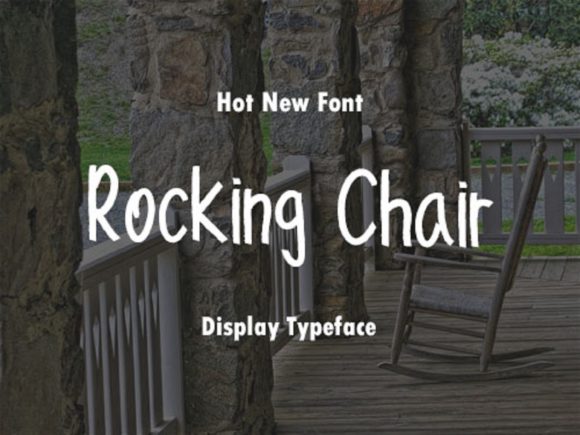
The visual characteristics of Rocking Chair are what make it so appealing. Its handwritten style is both elegant and approachable, making it ideal for adding a human touch to digital designs. The font's fluid lines and subtle variations in stroke width give it a dynamic and lively feel, perfect for creating a memorable first impression.
Using Rocking Chair in Web Design
One of the key areas where Rocking Chair shines is in website headers and hero sections. I used it for the main heading on the boutique store's homepage, and it immediately added a warm and inviting tone. The font's readability on larger displays is excellent, making it a great choice for drawing attention and setting the right mood.
Readability and Visual Hierarchy
While Rocking Chair is visually appealing, it's important to consider readability, especially on smaller screens. For mobile layouts, I recommend using Rocking Chair for short phrases and headlines, but not for long blocks of text. Pairing it with a clean, simple sans serif font for body copy ensures that the content remains easy to read and engaging.
- Use Rocking Chair for hero titles and section headings to create a strong visual impact.
- Avoid using it for long paragraphs; instead, opt for a more legible font for the body text.
- Test the font on different devices and screen sizes to ensure optimal readability.
Font Pairing and Brand Consistency
For a cohesive and professional look, font pairing is crucial. I paired Rocking Chair with a modern sans serif font like Roboto for the body text. This combination not only enhances readability but also adds a contemporary and polished feel to the overall design. The contrast between the handwritten and sans serif styles creates a balanced and visually appealing layout.
Enhancing Brand Identity
Using Rocking Chair in various elements of the website, such as call-to-action buttons, banners, and promotional graphics, helps to reinforce the brand's identity. The font's unique style and personality make it a standout choice for creating a distinctive and memorable brand experience.
- Use Rocking Chair for logo text to add a personal and authentic touch.
- Incorporate it into decorative accents and supporting typography to enhance the overall aesthetic.
- Ensure consistency by using the font across all branded web content, from the homepage to the checkout page.
Practical Considerations for Web Designers
Before integrating Rocking Chair into your web design projects, it's essential to check the included styles, webfont availability, and file formats. Make sure the font supports the necessary languages and has the required weights and alternates. Additionally, verify the commercial font licensing to ensure compliance with your project's requirements.
In conclusion, Rocking Chair is a versatile and visually appealing handwritten font that can significantly enhance the user experience of your web design projects. By carefully considering its use in headers, hero sections, and other key areas, and by pairing it with complementary fonts, you can create a polished and engaging online presence that truly stands out.